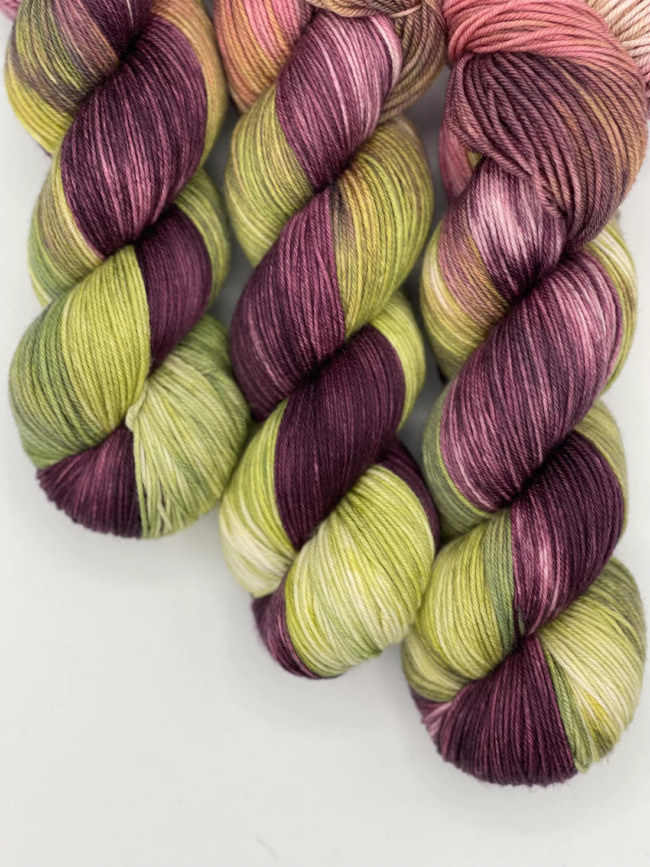
The manipulation of unconventional, often overlooked, fibrous materials for artistic, utilitarian, or technological purposes represents a specialized field. Consider, for example, the intricate weaving of horsehair into decorative braids or the creation of durable building materials from processed seaweed. These practices often involve unique techniques passed down through generations and represent a valuable intersection of traditional knowledge and innovative application.
Such specialized crafts offer numerous advantages. They contribute to the preservation of cultural heritage by maintaining historical techniques. Moreover, they often utilize sustainable, locally sourced materials, promoting environmental responsibility. Historically, these practices were essential for creating necessary items, from clothing and shelter to tools and artistic expression. Today, they continue to hold significance, both for their cultural value and potential for future innovation in materials science and sustainable design.
This exploration delves into several key aspects of unconventional fiber manipulation, examining specific examples, the challenges faced by practitioners, and the potential for future development and broader recognition of this unique field.
1. Material Sourcing
Material sourcing forms the foundational element of unconventional fiber manipulation, directly influencing the possibilities and limitations of the craft. The selection and acquisition of uncommon materials dictate the techniques employed and ultimately shape the final product’s characteristics and cultural significance. Understanding the nuances of material sourcing is crucial for appreciating the complexity and ingenuity inherent in these practices.
-
Natural Resource Selection
Practitioners often rely on locally available resources, showcasing a deep understanding of their environment. Examples include utilizing specific plant fibers like nettle or dogbane, or animal hair such as yak or camel. This resourcefulness highlights the adaptability and sustainability inherent in many of these traditions.
-
Ethical Harvesting Practices
Sustainability is a key consideration. Responsible harvesting methods ensure the long-term viability of the resource and minimize environmental impact. For instance, careful harvesting of willow bark for basketry allows the tree to regenerate, demonstrating a harmonious relationship between craft and nature.
-
Reclamation and Repurposing
The creative reuse of discarded materials is a prominent feature. Transforming agricultural byproducts like corn husks or industrial waste like fishing nets into usable fibers demonstrates resourcefulness and reduces waste. This innovative approach highlights the potential for circularity within these crafts.
-
Material Preparation Techniques
Specific preparation techniques are crucial for transforming raw materials into workable fibers. These processes, often passed down through generations, can involve retting, drying, beating, or combing. The knowledge and skill required for these preparations underscore the specialized nature of the craft.
The diverse approaches to material sourcing within unconventional fiber manipulation highlight the intricate relationship between the artisan, the environment, and the cultural context. These practices demonstrate a commitment to resourcefulness, sustainability, and the preservation of traditional knowledge, ultimately shaping the unique character of the finished products and contributing to the rich tapestry of textile and material culture.
2. Traditional Techniques
Traditional techniques form the cornerstone of unconventional fiber manipulation, preserving cultural heritage and embodying generations of accumulated knowledge. These time-honored methods, often specific to particular communities or regions, dictate the transformation of unusual materials into functional or artistic objects. The intimate connection between these techniques and the resulting fiber works reveals a deep understanding of material properties and a commitment to preserving cultural identity. For instance, the intricate knotting techniques used in creating traditional Japanese Shifu fabric from paper exemplify the precision and artistry inherent in these practices. Similarly, the complex process of preparing and weaving nettle fibers into textiles in certain Himalayan communities showcases the intricate knowledge passed down through generations.
The importance of traditional techniques extends beyond their cultural significance. They often represent sustainable and resource-efficient practices, utilizing readily available natural materials and minimizing environmental impact. Furthermore, these techniques often involve specialized tools and processes, demonstrating ingenuity and adaptability. Understanding these methods provides valuable insights into the history, cultural context, and technical expertise associated with unconventional fiber manipulation. For example, the use of backstrap looms in various indigenous cultures highlights the ingenuity of traditional weaving methods and their adaptability to diverse environments. The specific techniques employed influence the final texture, drape, and durability of the woven piece, illustrating the direct link between process and product.
Preserving and promoting traditional techniques remains crucial for maintaining cultural diversity and fostering sustainable practices within the broader field of fiber arts. Challenges such as the loss of traditional knowledge due to modernization and globalization necessitate efforts to document, support, and revitalize these practices. Recognizing the intrinsic value of these techniques, both culturally and practically, is essential for ensuring their continued contribution to artistic expression, sustainable development, and the preservation of intangible cultural heritage. This recognition can lead to new avenues for innovation, drawing inspiration from traditional wisdom to develop contemporary applications for unconventional fiber manipulation.
3. Contemporary Adaptations
Contemporary adaptations represent a vital bridge between traditional techniques and the evolving demands of modern society. These adaptations involve reimagining time-honored practices associated with unconventional fiber manipulation to create innovative applications for traditional materials and techniques. This process breathes new life into cultural heritage, fostering its continued relevance in the 21st century while also exploring the potential of these unique materials in contemporary design, art, and technology.
-
Integration of New Technologies
Modern tools and technologies, such as laser cutting, 3D printing, and digital weaving software, can enhance traditional fiber manipulation techniques. Laser cutting allows for intricate designs in materials like felt or bark, while 3D printing facilitates the creation of complex forms using fiber-reinforced composites. These technologies offer new avenues for creative expression and expand the potential applications of unconventional fibers.
-
Hybrid Material Exploration
Combining unconventional fibers with other materials, such as synthetic polymers or metals, creates hybrid materials with enhanced properties. Blending nettle fiber with recycled plastic, for example, could produce a durable and sustainable composite material. These explorations push the boundaries of material science and open up possibilities for new applications in various industries.
-
Focus on Sustainable Design
Contemporary adaptations often emphasize sustainability. Utilizing locally sourced and biodegradable fibers aligns with environmentally conscious design principles. Creating bio-textiles from pineapple leaf fiber or using mushroom mycelium for packaging exemplifies this approach. These initiatives contribute to a circular economy and reduce reliance on resource-intensive materials.
-
Reinterpreting Traditional Aesthetics
Contemporary artists and designers draw inspiration from traditional motifs and techniques, reinterpreting them for a modern audience. A weaver might incorporate traditional basketry patterns into a contemporary art installation or a fashion designer might adapt historical embroidery techniques to create modern garments. This revitalization of traditional aesthetics ensures their continued relevance in contemporary culture.
Contemporary adaptations demonstrate the enduring potential of unconventional fiber manipulation. By embracing innovation while respecting traditional knowledge, these adaptations create a dynamic interplay between past and present. This approach not only preserves cultural heritage but also fosters the development of sustainable and innovative materials and techniques with broad applications across various fields, from fashion and art to architecture and materials science. This ongoing evolution ensures the continued relevance and vitality of unconventional fiber manipulation in the modern world.
4. Cultural Significance
Unconventional fiber manipulation holds profound cultural significance, deeply intertwined with the traditions, beliefs, and identities of various communities worldwide. These practices, often passed down through generations, embody a wealth of knowledge, skills, and artistic expression. Examining the cultural significance of these fiber works provides insights into the complex relationship between materials, techniques, and the cultural values they represent.
-
Ritual and Ceremonial Objects
Specific fiber works play integral roles in rituals and ceremonies, signifying important life events, spiritual beliefs, or social status. Elaborate feather headdresses worn during indigenous ceremonies in the Americas, or intricately woven raffia cloths used in traditional African rituals, exemplify this connection. These objects often embody symbolic meanings and serve as tangible links to ancestral traditions.
-
Indicators of Social Status and Identity
The materials used and the techniques employed in creating fiber works can signify social status, group affiliation, or individual identity. The intricate weaving patterns in traditional Maori cloaks denote lineage and social standing, while the use of specific dyes in certain Andean textiles indicates regional identity. These visual markers communicate complex social information within a community.
-
Transmission of Traditional Knowledge
The creation of unconventional fiber works often serves as a vehicle for transmitting traditional knowledge and skills across generations. Master craftspeople pass down their expertise through apprenticeships and communal workshops, ensuring the continuity of these cultural practices. This transmission of knowledge preserves cultural heritage and reinforces community bonds.
-
Economic Empowerment and Community Development
In many communities, the production and sale of fiber works contribute to economic empowerment and community development. Cooperatives and fair trade initiatives support artisans by providing access to markets and ensuring fair compensation for their skills. This economic activity strengthens local economies and empowers individuals, particularly women, who often play a central role in these crafts.
The cultural significance of unconventional fiber manipulation extends beyond the objects themselves. It represents a tangible link to the past, embodying the values, beliefs, and artistic expressions of diverse communities. Recognizing and supporting these practices is essential for preserving cultural heritage, fostering sustainable development, and promoting intercultural understanding. These intricate crafts serve as powerful reminders of the ingenuity, creativity, and resilience of human cultures, demonstrating the profound impact of material culture on shaping individual and collective identities.
5. Sustainability Implications
The sustainability implications of unconventional fiber manipulation represent a crucial aspect of its contemporary relevance. As global awareness of environmental issues grows, the inherent sustainability of these practices offers valuable lessons and potential solutions for a more ecologically responsible approach to material production and consumption. Examining these implications provides insights into the potential of these crafts to contribute to a more sustainable future.
-
Reduced Environmental Impact
Utilizing readily available natural fibers often involves minimal processing, reducing the energy consumption and pollution associated with conventional textile production. Unlike synthetic materials derived from petroleum, natural fibers like bamboo or nettle require fewer resources to cultivate and process, minimizing their environmental footprint. This inherent low-impact characteristic makes them a sustainable alternative to conventional materials.
-
Biodegradability and Waste Reduction
Many unconventional fibers are biodegradable, meaning they decompose naturally at the end of their life cycle, reducing waste and minimizing pollution. This contrasts sharply with synthetic materials that persist in the environment for centuries. Using biodegradable fibers in applications like packaging or disposable products offers a sustainable alternative and contributes to a circular economy.
-
Support for Local Economies and Biodiversity
The cultivation and processing of unconventional fibers often support local economies and contribute to biodiversity preservation. Cultivating indigenous plant species for fiber production can create economic opportunities in rural communities while also promoting the conservation of traditional agricultural practices and preserving biodiversity. This localized approach contrasts with the globalized supply chains of conventional textile production, which often have negative social and environmental impacts.
-
Promoting Responsible Consumption and Production
Unconventional fiber manipulation fosters responsible consumption and production patterns. The emphasis on locally sourced materials, handcrafted techniques, and durable products encourages a shift away from mass-produced, disposable goods. This approach promotes a more mindful and sustainable relationship with material culture, valuing quality and longevity over quantity and disposability.
The sustainability implications of unconventional fiber manipulation underscore its potential to contribute to a more environmentally and socially responsible future. These practices offer valuable alternatives to conventional material production, promoting resource efficiency, waste reduction, and the preservation of cultural heritage. By embracing these sustainable approaches, we can move towards a more balanced and harmonious relationship with the environment and foster a more equitable and sustainable future for all. Further exploration of these practices and their integration into contemporary design and manufacturing processes could lead to significant advancements in sustainable material development and pave the way for a more circular and regenerative economy.
6. Future Innovations
Future innovations in unconventional fiber manipulation hold significant promise for advancing sustainable material science, preserving cultural heritage, and fostering economic development. Building upon traditional knowledge and techniques, these innovations explore new possibilities for utilizing these unique materials in diverse fields, from textiles and construction to art and technology. This exploration necessitates interdisciplinary collaboration, combining traditional craftsmanship with cutting-edge research to unlock the full potential of these often-overlooked resources.
-
Biomaterial Development
Research into the properties of unconventional fibers, such as their strength, flexibility, and biodegradability, can lead to the development of novel biomaterials for various applications. For example, exploring the use of fungal mycelium or seaweed fibers in creating biodegradable packaging or building materials offers sustainable alternatives to conventional materials. This research can revolutionize industries by providing eco-friendly and high-performance materials.
-
Smart Textile Integration
Integrating unconventional fibers with smart technologies, such as sensors or conductive materials, opens up possibilities for creating interactive textiles and wearable technology. Imagine clothing woven with conductive plant fibers that monitor vital signs or fabrics embedded with sensors that respond to environmental changes. This integration could revolutionize healthcare, fashion, and personal technology.
-
Advanced Manufacturing Techniques
Adapting advanced manufacturing techniques, such as 3D printing or bio-fabrication, to unconventional fibers can lead to the creation of complex and customized products. 3D printing with fiber-reinforced composites, for example, allows for the fabrication of intricate designs and personalized forms, while bio-fabrication techniques enable the growth of textile-like structures from living organisms. These advancements could transform manufacturing processes and product design.
-
Cultural Preservation and Revitalization
Supporting research and development in unconventional fiber manipulation can contribute to the preservation and revitalization of traditional crafts. Documenting traditional techniques, training new artisans, and establishing sustainable supply chains can ensure the continuity of these valuable cultural practices. This preservation not only safeguards cultural heritage but also fosters economic opportunities in local communities.
These future innovations demonstrate the potential of unconventional fiber manipulation to address contemporary challenges and contribute to a more sustainable and equitable future. By fostering collaboration between researchers, designers, artisans, and communities, we can unlock the full potential of these remarkable materials and ensure their continued relevance in the 21st century and beyond. The intersection of traditional knowledge and cutting-edge technology offers a promising pathway for developing innovative solutions and fostering a deeper appreciation for the intricate relationship between nature, culture, and material innovation.
Frequently Asked Questions
This section addresses common inquiries regarding the field of unconventional fiber manipulation, providing concise and informative responses.
Question 1: What distinguishes unconventional fiber work from conventional textile practices?
The distinction lies primarily in the choice of materials and the techniques employed. Unconventional fiber work often utilizes materials not typically found in mainstream textile production, such as plant fibers like nettle or banana, animal hair like yak or horsehair, or repurposed materials like plastic bags or fishing nets. The techniques involved may also be unique to specific cultural traditions or involve innovative adaptations of historical methods.
Question 2: How does this field contribute to sustainability?
Unconventional fiber practices often utilize renewable and biodegradable materials, minimizing environmental impact. Many techniques are low-impact, requiring minimal energy and resources. Furthermore, these practices often support local economies and promote biodiversity preservation.
Question 3: What are the primary challenges facing practitioners in this field?
Challenges include maintaining access to sustainable resources, preserving traditional knowledge in the face of modernization, and gaining broader market recognition for these unique products. Competition from mass-produced textiles also presents a significant obstacle.
Question 4: How can one support the preservation and development of these crafts?
Supporting artisan cooperatives, purchasing handcrafted products directly from practitioners, advocating for policies that promote sustainable craft practices, and participating in educational initiatives all contribute to the preservation and development of these valuable skills.
Question 5: What role does innovation play in the future of unconventional fiber work?
Innovation is essential for adapting traditional techniques to contemporary applications. Exploring new material combinations, integrating smart technologies, and developing advanced manufacturing processes can expand the potential of these fibers and ensure their continued relevance in various industries.
Question 6: Where can one learn more about specific unconventional fiber traditions?
Numerous resources exist for further exploration, including ethnographic museums, cultural centers, academic research institutions, and online databases dedicated to textile arts and material culture. Connecting with artisan communities directly also offers invaluable insights.
Understanding the nuances of unconventional fiber manipulation requires acknowledging its inherent complexities, from the diverse materials employed to the cultural significance embedded within each practice. Further exploration of specific traditions and techniques provides a deeper appreciation for the ingenuity and artistry within this field.
The following section delves into specific case studies, highlighting the practical applications and cultural contexts of various unconventional fiber traditions worldwide.
Essential Guidance for Engaging with Unconventional Fiber Practices
This section offers practical guidance for those interested in exploring, supporting, or engaging with the field of unconventional fiber manipulation. These recommendations aim to foster a deeper understanding and appreciation for the cultural, environmental, and artistic significance of these practices.
Tip 1: Research Diverse Traditions: Exploring the rich tapestry of global fiber traditions provides invaluable context. Investigating practices like Japanese shifu, Andean textile traditions, or Polynesian barkcloth creation reveals the diversity of materials and techniques employed worldwide. This exploration broadens understanding and fosters cross-cultural appreciation.
Tip 2: Support Artisan Communities: Purchasing directly from artisans or supporting fair trade organizations ensures equitable compensation and empowers local communities. This direct support sustains traditional livelihoods and encourages the continuation of these valuable crafts.
Tip 3: Seek Educational Opportunities: Workshops, online courses, and museum exhibitions offer opportunities for hands-on learning and deeper engagement. Participating in these educational experiences fosters a greater appreciation for the skill and dedication required for these crafts.
Tip 4: Advocate for Sustainable Practices: Promoting sustainable harvesting and processing methods ensures the long-term viability of these resources. Supporting initiatives that prioritize environmental responsibility contributes to the preservation of both cultural heritage and ecological balance.
Tip 5: Explore Material Innovations: Investigating contemporary adaptations and the integration of new technologies expands the potential applications of unconventional fibers. Supporting research and development in biomaterials and sustainable design fosters innovation and promotes broader utilization of these resources.
Tip 6: Value the Cultural Context: Recognizing the cultural significance embedded within these practices fosters respect and appreciation for the traditions they represent. Understanding the historical and social context enriches the experience of engaging with these crafts.
Tip 7: Promote Interdisciplinary Collaboration: Connecting artisans with designers, scientists, and researchers fosters innovation and expands the potential applications of unconventional fibers. Interdisciplinary collaboration can lead to breakthroughs in sustainable materials, innovative product design, and the preservation of cultural heritage.
Engaging with unconventional fiber practices offers a unique opportunity to connect with both cultural heritage and sustainable innovation. By following these guidelines, individuals can contribute to the preservation and development of these valuable crafts while fostering a deeper appreciation for the intricate relationship between materials, culture, and creativity.
The following conclusion summarizes the key takeaways of this exploration and emphasizes the enduring importance of unconventional fiber manipulation in a rapidly changing world.
Conclusion
Exploration of unconventional fiber manipulation reveals a rich tapestry of traditional knowledge, innovative applications, and significant sustainability implications. From the diverse sourcing of materials to the intricate techniques employed, these practices represent a valuable intersection of cultural heritage and material innovation. Examination of contemporary adaptations demonstrates the ongoing evolution of these crafts, highlighting their potential to contribute to a more sustainable and equitable future. Challenges such as preserving traditional knowledge and ensuring market access necessitate ongoing support and advocacy for these unique practices.
The enduring significance of unconventional fiber manipulation lies in its potential to bridge cultural preservation with sustainable development. Further exploration and integration of these practices within contemporary design, manufacturing, and material science offer promising pathways toward a more balanced and harmonious relationship between humanity and the natural world. Continued support for artisan communities, research into innovative applications, and promotion of responsible consumption practices are essential for ensuring the vitality and continued evolution of this remarkable field.